Introduction
Saffron, known as the “red gold”, is one of the most valuable spices in the world. With growing demand in India and abroad, many farmers and agri-entrepreneurs are now turning to saffron cultivation training to learn how to grow this high-value crop successfully.
Whether you’re a beginner or an experienced farmer looking to diversify, this guide will help you understand how saffron cultivation training can equip you with the right knowledge, techniques, and tools to start your own profitable saffron farm.
What Is Saffron Cultivation Training?
Saffron cultivation training is a professional program or workshop designed to teach farmers the complete process of growing saffron — from soil preparation and corm selection to harvesting and processing.
Training programs are usually conducted by agricultural universities, horticulture departments, and private agri-tech startups. These courses focus on:
- Understanding saffron plant biology
- Suitable climate and soil conditions
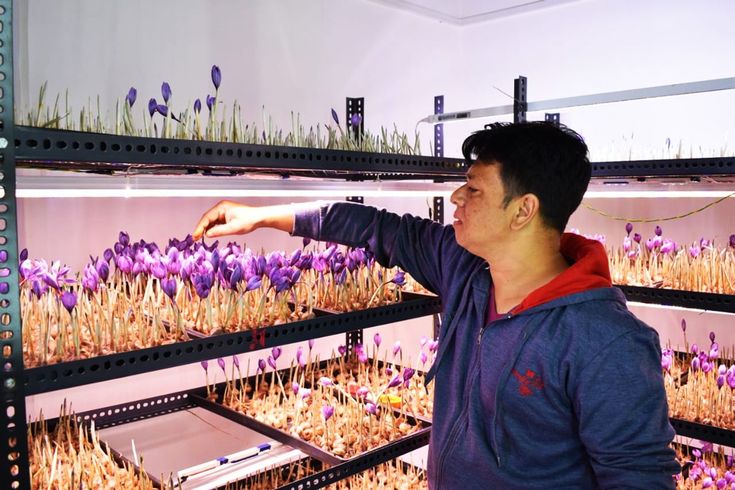
- Modern techniques like indoor or hydroponic saffron farming
- Pest and disease management
- Post-harvest processing and marketing
Importance of Saffron Cultivation Training
Learning saffron farming is not as simple as growing regular crops — it requires precision and timing. Attending saffron cultivation training offers several benefits:
- Learn step-by-step cultivation methods
- Avoid costly beginner mistakes
- Understand proper corm storage and flowering cycles
- Gain insights into indoor saffron farming techniques
- Network with experts and experienced growers
What You’ll Learn in Saffron Cultivation Training
1. Climate and Soil Requirements for Saffron Cultivation
Saffron thrives in cool, dry climates with well-drained soil. During training, you’ll learn how to simulate ideal conditions using greenhouses or aeroponic systems if you live outside traditional saffron regions.
2. Corm Selection and Planting Techniques
Good-quality saffron starts with healthy corms. Trainers explain how to select, store, and plant corms at the correct depth and spacing for maximum yield.
3. Indoor and Hydroponic Saffron Farming Methods
Modern saffron cultivation training programs often include modules on hydroponic and indoor setups. These methods allow year-round cultivation, even in regions like Telangana, Karnataka, or Maharashtra.
4. Irrigation and Nutrient Management
Saffron requires minimal water but consistent care. You’ll learn how to design efficient irrigation systems and provide essential nutrients to promote healthy flowering.
5. Harvesting and Post-Harvest Processing
Training covers how to identify the right time to harvest, carefully separate stigmas (saffron threads), and dry them properly to retain aroma and color.
6. Marketing and Business Planning
Many training programs also teach how to brand your saffron, reach customers online, and export your produce for higher profits.
Who Can Join Saffron Cultivation Training?
This training is ideal for:
- Farmers seeking high-value crops
- Agriculture students
- Urban or rooftop farmers
- Startups in hydroponics or agri-tech
- Entrepreneurs exploring export agriculture
No prior farming experience is required — just curiosity and willingness to learn!
Why Choose Danvanthari Farms for Saffron Cultivation Training?
1. Hands-On Learning Experience
At Danvanthari Farms, you don’t just sit in a classroom — you learn by doing. Trainees participate in every stage of saffron cultivation, from corm selection and planting to flowering, harvesting, and processing. This real-world exposure helps you gain confidence to start your own saffron project right after the course.
2. Expert Mentorship from Saffron Specialists
Learn directly from experienced agronomists and hydroponic experts who have successfully cultivated saffron in Indian climates. Their personal guidance helps you avoid costly beginner mistakes and adopt proven growing methods.
3. Training for All Climates — Especially Non-Traditional Regions
Danvanthari Farms specializes in adapting saffron cultivation for tropical and sub-tropical regions. You’ll learn practical methods like indoor, greenhouse, and aeroponic saffron farming, making saffron cultivation possible anywhere.
4. Complete Farm-to-Market Training
We don’t stop at farming — our training covers the entire value chain:
- Post-harvest processing and grading
- Branding and packaging
- Online and export marketing strategies
By the end of your training, you’ll understand both cultivation and commercialization.
5. Lifetime Farmer Support Network
Graduates join the Danvanthari Growers Network, a supportive community of farmers, mentors, and agri-entrepreneurs. You’ll get continuous guidance, updates on the latest techniques, and access to quality saffron corm suppliers.
6. Business-Oriented Curriculum
Our training focuses on profitability and sustainability. You’ll learn how to calculate setup costs, yield projections, and ROI — so your saffron venture becomes a long-term income source, not just a passion project.
7. Flexible Training Options
Choose the learning style that fits you best:
- On-Farm Training – Hands-on practical classes at Danvanthari Farms
- Online Training – Virtual sessions with recorded lessons and live Q&A
- Hybrid Model – Learn online, then attend field visits for practical exposure
Benefits of Completing Saffron Cultivation Training
- Gain expert knowledge and hands-on experience
- Learn both traditional and modern saffron farming methods
- Build connections with suppliers and buyers
- Increase your earning potential with high-value saffron produce
- Get access to government schemes and startup support in agriculture
Conclusion
Saffron cultivation training is the first step toward becoming a successful saffron grower. It helps you master every stage of saffron farming — from planting to packaging — while reducing trial-and-error risks.
With the right training, modern technology, and a smart business plan, you can grow premium-quality saffron anywhere in India and turn it into a profitable venture.
Start your saffron journey today — With Danvanthari Farms!
Lorem Ipsum is simply dummy text of the printing and typesetting industry. orem Ipsum has been the industry’s standard dummy text ever since the when an unknown printer took a galley of type and scrambled it to make a type specimen book.
Lorem Ipsum is simply dummy text of the printing and typesetting industry. orem Ipsum has been the industry’s standard dummy text ever since the when an unknown printer took a galley of type and scrambled it to make a type book.